States and Cities Move to Ban Crypto Kiosks
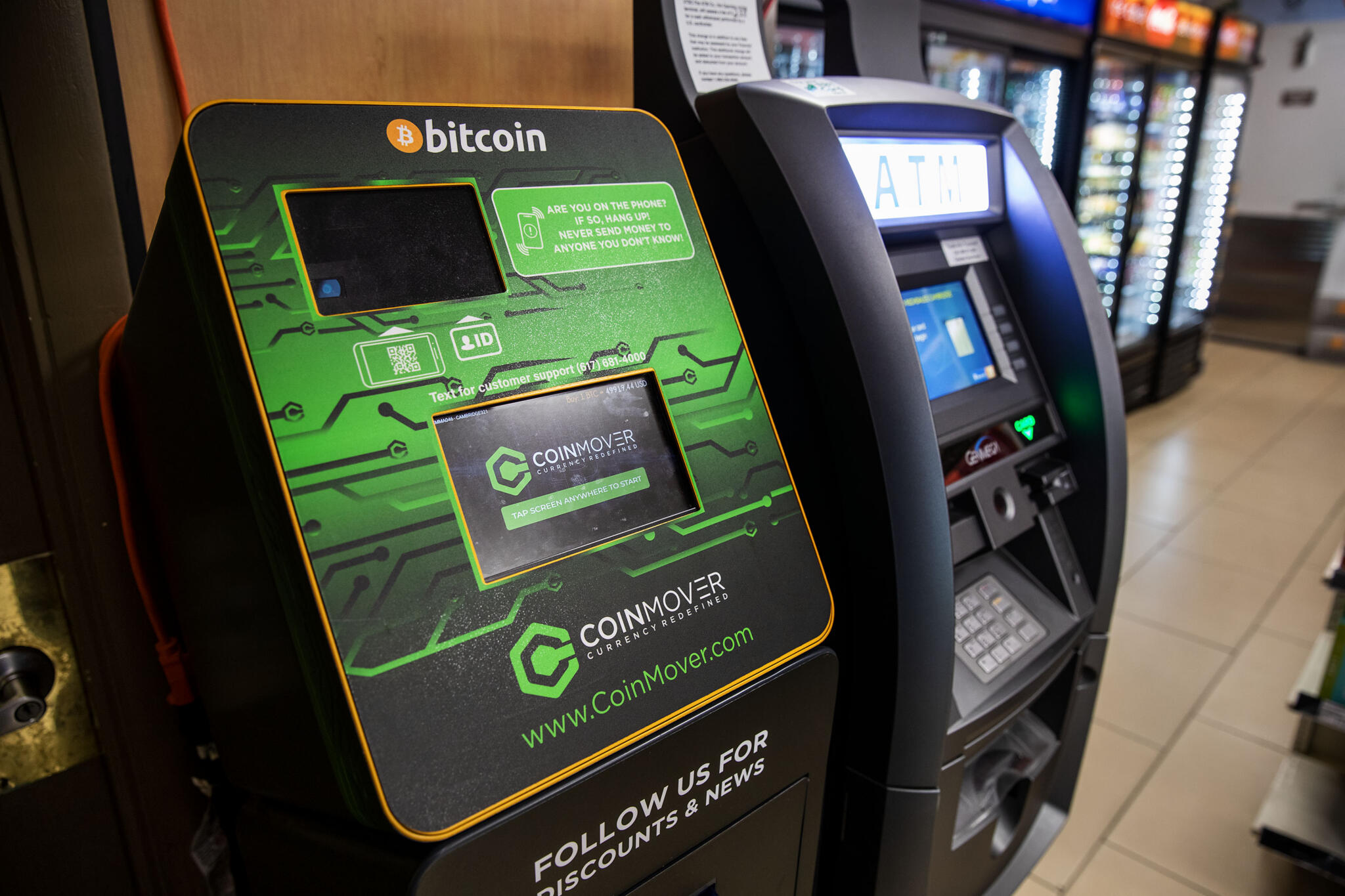
States and cities are moving to ban cryptocurrency kiosks across the country. Lawmakers are taking action because scams linked to these machines keep climbing. Officials want to stop bad actors from taking money from unsuspecting residents.
Why are states and cities banning cryptocurrency kiosks?
Officials see a quick rise in fraud connected to these walk-up machines. Many criminals tell victims to take cash to a local terminal and insert the bills. The machines turn the cash into digital coins and send them straight to wallets held by thieves. This link between cash machines and illegal acts connects directly to broader problems with Cryptocurrency and crime.
Because the money leaves right away, police have a very hard time tracking it down. Once the cash goes into the machine, the victim cannot cancel the transfer or get the bills back. Local leaders say traditional banks have guards and tellers to warn people about fraud, but these standalone machines have no human staff to stop a bad transaction.
What this means for people who use digital cash
Regular shoppers often use these kiosks in gas stations, grocery stores, and corner shops. People like them because they make buying digital tokens simple without a computer. If local bans pass, anyone who relies on physical spots to buy Cryptocurrency will have to look elsewhere. Users will need to set up online accounts instead of feeding paper money into machines on the street.
Here are the key points behind the new wave of bans:
- Scam numbers tied to cash machines continue to grow fast.
- Victims cannot get their money back once cash is fed into a kiosk.
- Local governments want to step in where federal rules move too slow.
- Bans will force regular buyers to use online platforms instead of street terminals.
How scammers use these walk-up machines
Scammers often call victims on the phone and pretend to be government workers or police. They create a fake emergency and claim the person must pay a fine right away. The caller stays on the line and directs the victim to the nearest street kiosk to deposit cash. Fear makes people hurry, so they do not stop to think about the strange request.
By the time a victim talks to family or calls real police, the kiosk has finished the task. The digital coins are gone across borders in seconds. Cities say shutting down the machines in convenience stores removes an easy tool that fraudsters rely on every single day.
What to watch for as new rules spread
More towns and state leaders are reading these proposals and drafting their own rules. Companies that place these machines will likely push back to keep their business running. They might suggest warning stickers or lower limits on cash deposits instead of complete bans. The fight between kiosk owners and lawmakers will show how far local governments can go to protect residents.
In the coming months, other regions will watch to see if these bans actually lower fraud reports. If scam numbers drop in areas without kiosks, more states will follow the same path. Everyday users should watch local news to see if machines near their homes will be taken away soon.
Comments
Post a Comment